Mouse Cute Face Funny: A Designer's Practical Review
As a designer who has spent years navigating the intersection of digital graphics and physical textile production, I approach every new asset with a critical eye. When I first encountered Mouse Cute Face Funny, my immediate reaction was one of genuine delight. There is an undeniable charm in the character's expression that feels perfectly calibrated for the modern craft market. However, moving from a screen-based preview to a tangible, stitched reality requires a deeper analysis than simply admiring the lines. This review breaks down how this specific design translates into real-world projects, specifically for those of us building brands around handmade goods.
The Visual Personality and First Impressions
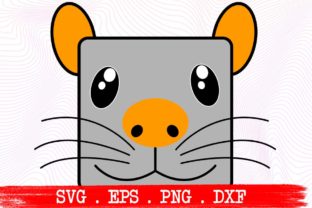
At its core, Mouse Cute Face Funny captures a mood of lighthearted whimsy. The shape is rounded and approachable, avoiding sharp angles that can sometimes look aggressive on soft textiles. For an Etsy seller or boutique owner, this kind of visual personality is gold. It screams "giftability" without needing a caption. The layout is balanced, which is crucial when you are planning where to place the design on a garment. Unlike complex illustrations that demand large hoop sizes, this graphic maintains its integrity even when scaled down slightly, though we will discuss the limits of that later.
The theme fits seamlessly into the Crafts category, specifically appealing to parents, nursery decor enthusiasts, and anyone looking to add a touch of humor to their wardrobe. As a Graphics asset, it offers a clean silhouette that suggests it could work beautifully as a standalone motif or as part of a larger composition. The "funny" aspect of the face adds a layer of engagement; customers don't just see a mouse, they see a character with a story. That emotional connection is often what drives a sale in the crowded handmade marketplace.
Real-World Application: From Screen to Stitch
Let's imagine a practical scenario. You are preparing a batch of custom embroidered tote bags for an upcoming craft fair. You need something that stands out but doesn't overwhelm the canvas. Mouse Cute Face Funny is an excellent candidate here. On a sturdy cotton tote, the design would likely pop, especially if you utilize high-contrast thread colors. Imagine a deep navy bag with a bright white or pastel pink mouse face. The simplicity of the design ensures that the stitching remains clear, preventing the muddy look that often plagues overly dense patterns.
Consider another use case: a personalized baby item. Parents love unique, non-cliché designs for nursery decor. A onesie or a pillow cover featuring this mouse face could be a standout piece in your shop. Because the design is not gender-specific, it broadens your potential customer base. If you were creating an embroidered patch instead, the bold outlines of the mouse face would hold up well against the backing fabric, making it durable enough for jackets or backpacks. The key is understanding that while this starts as a digital file, its success depends entirely on how well you adapt it to the physical constraints of embroidery.
Navigating Technical Challenges and Fabric Choices
While the design is versatile, there are specific situations where caution is required. One common pitfall for designers is assuming a design works on all surfaces equally. Mouse Cute Face Funny features curves and potentially small details in the eyes or nose. On textured fabrics like heavy denim or boucle, these fine details might get lost in the weave. Similarly, on very thin or stretchy fabrics, such as jersey knit used for t-shirts, the tension required to stitch the design could cause puckering if the wrong stabilizer is used.
If you plan to use this on dark fabric, you must consider the background. A simple outline might not provide enough coverage, leading to the shirt color showing through the fill stitch. In these cases, a light underlay or an applique technique might be necessary to ensure the mouse face looks crisp. Furthermore, curved surfaces like caps present a challenge. The brim of a hat distorts the image during stitching. While the round nature of the mouse face helps mitigate this, you must test the design in a cap hoop to ensure the proportions don't warp.
Dense stitch areas are another consideration. If the design includes intricate detailing in the ears or whiskers, pushing too much thread density into a small area can lead to breakage or a stiff finish. Always check the stitch density before committing to a final run. For items that require frequent washing, such as kitchen towels or aprons, ensure the stitching is secure. Loose threads or weak anchor points can unravel over time, damaging the reputation of your handmade product.
Practical Designer Notes for Success
- Test on Scrap Fabric: Never skip the test run. Stitch Mouse Cute Face Funny on a scrap of the actual fabric you intend to use. This reveals issues with tension, registration, and thread breakage immediately.
- Check Thread Contrast: Ensure the chosen thread colors offer sufficient contrast against the fabric. A low-contrast design can look unfinished and reduce the perceived value of the item.
- Verify Hoop Size: Confirm that the design fits comfortably within your machine's hoop size with room to spare for securing the fabric. Cropping the edges can ruin the character's expression.
- Inspect Small Details: Zoom in on the eyes and mouth. Are they detailed enough to stitch clearly? If not, simplify the vector paths before converting to an embroidery file.
- Mockup Testing: Use printable mockups to visualize the design on different products. Test it in black and white first to judge the balance of the composition without the distraction of color.
- Stabilizer Selection: Match your stabilizer to the fabric weight. Stretchy knits need tear-away or cut-away stabilizers that support the satin stitch and running stitch without restricting movement.
- Licensing Check: Before selling finished items or using the design for commercial embroidery, verify the licensing terms. Some digital downloads are for personal use only, while others allow for limited commercial sales.
Impact on Brand and Customer Trust
In the world of small business ownership, consistency is key. Using a high-quality design like Mouse Cute Face Funny signals professionalism. Customers can tell the difference between a sloppy, poorly digitized pattern and a well-executed piece. When the stitching is clean and the design sits flat on the fabric, it builds trust in your brand. It transforms a simple t-shirt into a premium custom apparel item.
This design also enhances buyer engagement. A funny, cute face invites interaction. People smile when they see it, and that positive emotion translates into better reviews and repeat customers. Whether you are selling at a local craft fair or running a global Etsy shop, the visual appeal of the finished product is your primary marketing tool. By choosing assets that are both charming and technically sound, you elevate your entire catalog.
Ultimately, Mouse Cute Face Funny is more than just a digital download; it is a tool for creativity. When handled with care, proper testing, and an understanding of textile limitations, it becomes a valuable asset in any maker's toolkit. It bridges the gap between digital artistry and tactile craftsmanship, offering a delightful addition to holiday gifts, nursery sets, and everyday wearables. As you integrate this design into your workflow, remember that the magic happens not just in the software, but in the careful execution of the stitch.