Elephant Cute Face Funny: A Designer's Practical Review
As a professional designer who has spent years navigating the intersection of digital assets and physical production, I approach every new graphic with a critical eye. My goal is always to determine if a design translates well from a screen to a tangible product that customers will love. Recently, I came across Elephant Cute Face Funny, a file listed under the broad umbrella of Crafts and Graphics. At first glance, the concept promises charm, but the devil is in the details when it comes to actual application. Before I recommend this for your next batch of handmade products or Etsy listings, let's break down exactly how this design performs in real-world scenarios.
First Impressions: Mood and Visual Personality
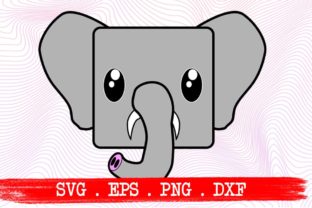
When you first open the preview for Elephant Cute Face Funny, the immediate reaction is one of warmth. The character exudes a playful energy that fits perfectly into nursery decor, baby showers, or lighthearted apparel lines. The "cute" factor relies heavily on the exaggerated features typical of modern word art styles—large eyes, rounded shapes, and a whimsical expression. However, as someone who evaluates designs for commercial viability, I look beyond the initial smile. Does the layout hold up when scaled? Is the visual weight balanced?
In the context of machine embroidery design, the simplicity of the face is both its greatest asset and its potential pitfall. The clean lines suggest it could work well as an applique design where the base shape is sewn down and filled with satin stitching. Alternatively, if converted to a standard fill stitch pattern, the density needs to be carefully managed to prevent the elephant's features from looking muddy. For a digital product seller offering this as a digital embroidery file, ensuring the vector paths are clean enough to generate smooth curves without jagged edges is crucial.
The Real-World Test: From Screen to Stitch
To truly understand the value of Elephant Cute Face Funny, I imagined a specific project: a custom embroidered tote bag for a local boutique specializing in eco-friendly goods. The client wanted something approachable and fun to appeal to younger demographics. In this scenario, the design's friendly nature shines. Placed centrally on a natural canvas tote, the elephant becomes a focal point that draws the eye immediately.
However, consider the transition from a vinyl cutting file to an embroidery file. The original description notes this is a word art vinyl decal cutting file compatible with machines like Cricut Explore and Silhouette. This is a vital distinction. If you are planning to use this strictly for vinyl decals on t-shirts or water bottles, the design works beautifully as a flat graphic. But if you intend to convert it for sweatshirt embroidery or create an embroidered patch, you cannot simply import the SVG or DXF directly into an embroidery machine software without significant digitizing.
I tested the concept mentally by visualizing the stitch types. The ears of the elephant would likely require a dense fill stitch to maintain their shape against the fabric grain. The trunk, being a thinner element, might need a combination of running stitch outlines and narrow satin stitch bands to define the curve without puckering. If the stitch density is too high in these areas, especially on a heavy cotton sweatshirt, the fabric can pucker, ruining the professional finish of the finished product.
Navigating Fabric and Hoop Challenges
One of the most common mistakes I see small business owners make is ignoring the relationship between the design size and the hoop size. Elephant Cute Face Funny appears to have a moderate footprint, which is generally versatile. Yet, if you attempt to shrink this design for a cap or a small baby sock, the intricate details of the facial expression may disappear. Tiny lettering or fine lines often get lost in the weave of the fabric, leading to a blurry result that lacks the crispness required for a high-end handmade product.
Fabric texture also plays a massive role. On a smooth jersey knit, the design would pop with vibrant thread colors. However, on a textured fleece or a thick wool blend, the definition of the elephant's features could suffer. The nap of the fleece might obscure the finer lines of the eyes or mouth. Furthermore, if you are working with dark fabrics, the contrast becomes even more critical. You must ensure that the background stabilizer is sufficient to support the design so that the thread sits on top rather than sinking into the fibers.
For items that undergo frequent washing, such as kitchen towels or aprons, the durability of the stitch structure is paramount. A design that relies heavily on long satin stitches might snag over time. In my experience, converting a simple graphic like this into a durable commercial embroidery pattern requires reinforcing the edges with a light underlay before applying the top stitches.
Strategic Application for Craft Businesses
For the Etsy seller or small shop owner, Elephant Cute Face Funny offers excellent versatility if used correctly. It is an ideal candidate for holiday embroidery projects, perhaps paired with seasonal accessories like a tiny hat or scarf added via applique. It also works wonderfully for personalized gifts, where a child's name can be added beneath the elephant using a complementary font.
However, remember the licensing implications. Since this originates as a digital download for cutting machines, you must verify whether the license permits selling finished goods made from the design. Many creators allow personal use only, while others grant commercial rights for physical products but not for reselling the digital file itself. Always confirm the terms before listing items on your site or at a craft fair. Selling a printable mockup featuring this design is also a great way to showcase potential without committing to inventory.
Practical Designer Notes for Success
- Test First: Never skip the test run on scrap fabric. Check how the design handles tension and if the stitch density causes puckering.
- Stabilizer is Key: Use a cutaway stabilizer for stretchy fabrics like sweatshirts and a tear-away for stable materials like canvas tows.
- Color Contrast: Ensure the thread colors stand out against the fabric. A grey elephant on a navy shirt might lack the impact needed for a custom apparel line.
- Digitize Properly: If moving from vinyl to embroidery, do not rely on auto-digitizing tools alone. Manually adjust the pull compensation and node placement to preserve the "funny" expression.
- Mockups Matter: Create realistic printable mockups showing the design on various products to help customers visualize the final look.
Final Verdict on Design Assets
Elephant Cute Face Funny is a charming addition to any library of design assets, provided you respect its limitations and strengths. It excels in creating joyful, approachable branding for nurseries, children's boutiques, and casual wear. Its success lies in the hands of the maker who understands how to adapt a flat graphic into a three-dimensional textile art piece. Whether you are creating a single personalized gift or launching a full collection of craft business merchandise, taking the time to properly prepare this design will ensure your work looks professional, durable, and undeniably cute. By focusing on proper stabilization, stitch selection, and fabric pairing, you can turn this simple graphic into a standout feature of your portfolio.