Hippopotamus Cute Face Funny: A Designer Review
As a professional designer who spends countless hours evaluating machine embroidery design assets for both personal projects and client work, I approach every new graphic with a critical eye. The market is flooded with generic patterns, but occasionally, a piece stands out for its character and potential. Today, I am examining the Hippopotamus Cute Face Funny. At first glance, this appears to be a whimsical addition to the Crafts category, specifically within the realm of digital Graphics. However, before committing to a commercial run or a high-stakes custom order, it is essential to understand how this specific design translates from a screen file to a tangible, stitched reality.
The First Impression: Character and Visual Weight
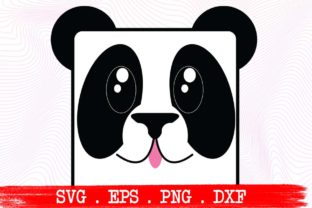
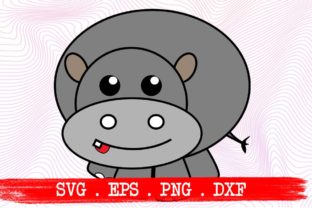
When I first opened the preview for Hippopotamus Cute Face Funny, the immediate mood was playful and lighthearted. The design leans heavily into the "cute" aesthetic, featuring rounded shapes and exaggerated facial features that suggest humor rather than realism. For an embroidery project, this kind of visual personality is a double-edged sword. On one hand, it creates an instant emotional connection, perfect for gifts or children's items. On the other, the simplicity of the face relies entirely on clean lines and balanced proportions to avoid looking cartoonish in a negative way once stitched.
In the context of digital files, this design is described as a word art vinyl decal cutting file compatible with machines like Cricut Explore and Silhouette. While my primary focus here is on how this translates to textile applications, the underlying vector structure suggests that if converted to an embroidery file, the lines are likely smooth. This is crucial. When we talk about converting a cut file concept to a stitch plan, the clarity of the original vector determines the success of the fill stitch and satin stitch execution. The Hippopotamus Cute Face Funny has a bold outline, which is excellent for maintaining definition on textured fabrics where fine details might get lost.
Real-World Application: From File to Finished Product
Let’s imagine a real-life scenario. You are a small shop owner preparing for the upcoming holiday season, and you need a standout item for your Etsy seller inventory. You decide to create a line of personalized tote bags featuring animal faces. The Hippopotamus Cute Face Funny seems like a natural fit. But how does it perform when you actually load it into the machine?
If you were to use this design for tote bag design purposes, the large, open areas of the hippo's face would allow for generous stitch density without overwhelming the fabric. Cotton canvas, a common material for totes, can handle moderate weight stitching well. The funny expression would likely translate beautifully, making the bag a conversation starter. Customers often gravitate toward handmade product items that have a distinct personality, and this design delivers exactly that.
Consider another angle: custom apparel for a baby shower gift. A onesie or a soft sweatshirt could benefit from this design. However, the challenge here lies in the fabric texture. Baby clothes are often made of knit fabrics that stretch. If the hoop size is not managed correctly, the stretching during stitching can distort the cute face, turning a funny hippo into a stretched caricature. In such cases, using a strong stabilizer becomes non-negotiable. The design's simple shapes mean that minor distortions might still look acceptable, but for a professional finish, precision is key.
For those looking to expand their commercial embroidery offerings, this graphic could also serve as a patch design. An embroidered patch featuring the Hippopotamus Cute Face Funny could be sold as a standalone accessory or attached to denim jackets and backpacks. The bold outlines ensure that even when detached from the garment, the image remains recognizable and impactful. This versatility increases the perceived value of the finished product, allowing you to price it higher than generic, mass-produced alternatives.
Navigating Challenges: Where Caution Is Needed
While the design holds promise, there are specific scenarios where Hippopotamus Cute Face Funny requires careful handling. One major concern is the application on dark fabrics. If the design relies on light thread colors against a black background, the contrast must be sharp. Without proper backing, the dark fabric may show through the running stitch or sparse fill areas, muddying the image. Always test the design on scrap fabric first, especially when working with challenging materials like fleece or thick denim.
Another area of caution involves curved surfaces, such as caps or hats. The roundness of the hippo's face might conflict with the curvature of a cap panel. If the design is too wide, it will pucker or pull at the seams. It is vital to confirm the maximum width of the design relative to your hoop size. If the file dimensions exceed the flat surface area of a standard 4x4 hoop, you will need to adjust the layout or choose a different placement strategy.
Furthermore, consider the frequency of washing. Products like kitchen towels or aprons undergo rigorous cleaning cycles. If the thread colors chosen for the hippo's features are not colorfast, or if the stitch density is too low, the design may fray over time. For items that require frequent washing, opt for a denser stitch pattern and high-quality polyester threads that resist fading. The durability of the design directly impacts customer trust and your reputation as a maker.
Strategic Design Notes for Creators
Before integrating Hippopotamus Cute Face Funny into your workflow, take these practical steps to ensure success:
- Test on Scrap Fabric: Never skip the test run. Stitch the design on a piece of the actual fabric you intend to use to check for puckering and alignment.
- Check Thread Contrast: Ensure the thread colors pop against the background. A muddy hippo face loses its charm instantly.
- Review Stitch Density: Look closely at the digital preview. Are there areas that look too sparse? You may need to adjust the settings in your digitizing software if you are converting the file yourself.
- Confirm Licensing: Since this is a digital download, verify the license terms. Can you sell the finished product? Can you resell the digital file? Understanding the rights associated with design assets is critical for any craft business.
- Mockup Testing: Create a printable mockup of the design on various products (t-shirts, pillows, bags) to visualize how it looks in different contexts before spending thread and time.
Final Verdict: A Versatile Asset for the Creative Entrepreneur
In conclusion, Hippopotamus Cute Face Funny offers a delightful opportunity for designers looking to inject personality into their small shop product lines. Its bold, friendly aesthetic makes it suitable for a wide range of applications, from baby embroidery to holiday embroidery gifts. However, its success depends on thoughtful execution. By paying attention to fabric choice, stabilizer usage, and thread selection, you can transform this digital graphic into a high-quality, professional-looking piece of art.
Whether you are creating a personalized gift for a friend or building a catalog of digital product previews for your online store, this design has the potential to stand out. Just remember that the magic happens not just in the file itself, but in how you adapt it to the physical world. With the right technique, the Hippopotamus Cute Face Funny can become a signature element of your brand, bringing smiles to customers and adding value to your creative portfolio.