Owl Face Cute Funny: A Designer's Real-World Review
As a designer who has spent years navigating the intersection of digital graphics and physical textiles, I approach every new asset with a critical eye. When I first encountered Owl Face Cute Funny, my immediate reaction was to assess its potential beyond the screen. This isn't just another generic graphic; it carries a specific visual weight that demands careful consideration before it hits the needle. While the product description identifies this as a digital download for vinyl decal cutting files compatible with machines like Cricut Explore and Silhouette, the aesthetic appeal is so strong that many of us in the embroidery community are asking if it can be adapted for thread-based applications or used as a blueprint for custom apparel.
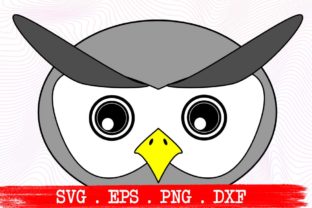
The mood created by Owl Face Cute Funny is undeniably playful and whimsical. The layout features a simplified, rounded geometry that suggests high friendliness, making it an instant hit for nursery decor or casual wear. However, translating a vector-based word art concept into a tangible machine embroidery design requires understanding how the lines behave under tension. In a real-life scenario, imagine you are preparing a custom embroidered tote bag for a local craft fair. You want the design to pop against a natural canvas background. If you were to adapt the clean lines of this owl face into a stitch file, the challenge lies in maintaining those cute, exaggerated features without them becoming muddy or losing their definition.
From Digital File to Textile Reality
When evaluating Owl Face Cute Funny for actual production, the first thing I look at is the detail level. For a handmade product like a baby onesie or a personalized gift, clarity is king. The design's simplicity is its greatest asset here. Unlike complex botanicals or realistic portraits that require thousands of stitches to render, this owl face relies on bold shapes. This makes it an excellent candidate for a satin stitch border around the eyes and beak, paired with a dense fill stitch for the body. The result would be a crisp, durable image that withstands frequent washing—a crucial factor for parents buying baby items.
Consider the application on a sweatshirt. A sweatshirt embroidery project often suffers from fabric texture interfering with fine details. Because Owl Face Cute Funny uses broad strokes, it translates beautifully to the looped pile of fleece. The thick thread colors will sit on top of the fabric rather than sinking in, creating a raised, tactile effect that customers love to touch. If you are an Etsy seller looking to expand your catalog, this type of design offers high perceived value. It looks professional even when executed quickly, allowing you to maintain a steady workflow during busy holiday seasons.
Strategic Placement and Fabric Considerations
While the design is versatile, there are specific situations where caution is required. Small hoop sizes can be a pitfall. If you attempt to shrink this design too much for a cap or a small patch, the "funny" expression might get lost in the stitching density. The beak and eyes need enough space to breathe. On curved surfaces like baseball caps, the tension changes across the panel. You must ensure that the stabilizer is robust enough to prevent puckering, which could distort the owl's symmetrical face.
Fabric texture also plays a significant role. On thin fabrics like chiffon or lightweight cotton, the density required to fill the owl's shape might cause transparency issues or tearing. In these cases, using a tear-away stabilizer or converting the design into an applique design where felt pieces form the base would be a smarter move. Conversely, on dark fabrics, the contrast becomes vital. If you are using a standard white thread on a black t-shirt, the thread colors must be bright enough to make the "cute" aspect shine. Testing the design in black and white mockups before committing to expensive thread spools is a non-negotiable step in my process.
Commercial Viability for Craft Businesses
For the small shop owner or creative entrepreneur, Owl Face Cute Funny represents a low-risk, high-reward asset. Its universal appeal means it fits into various niches: home goods, fashion, and seasonal gifts. Imagine a line of kitchen towels or aprons featuring this design; it adds a touch of personality to functional items, increasing their desirability as personalized gifts. The design's nature allows it to serve as a brand anchor for a boutique focusing on whimsical, nature-inspired themes.
However, a critical note on licensing and format is essential. Since the original product is described as a vinyl cutting file for paper crafting programs, it is not natively an embroidery file. To use this for stitching, you would need to convert the vector data into a machine-readable format (like .PES, .DST, or .JEF) using digitizing software. This conversion process is where the magic happens—or where mistakes occur. Simply auto-digitizing the file often results in poor stitch density and unnecessary trims. As a professional, I advise investing time in manual editing to ensure the running stitches flow logically and the fills are optimized for speed and quality.
Practical Tips for the Designer
If you decide to bring Owl Face Cute Funny into your embroidery workflow, follow these practical steps to ensure success:
- Test on Scrap Fabric First: Never run a new design directly on a customer's garment. Use a scrap piece of the same material to check for puckering and alignment.
- Review Stitch Density: Ensure the fill areas aren't too tight, which can stiffen the fabric, or too loose, which leaves gaps in the thread coverage.
- Confirm Hoop Size: Match the design dimensions to your available hoops to avoid re-hooping mid-project, which can misalign the facial features.
- Inspect Small Details: Zoom in on the eyes and beak to ensure they remain distinct after digitization.
- Check Licensing: Verify that you have the commercial rights to sell finished items made from this design, especially if adapting a vinyl file for embroidery.
In conclusion, Owl Face Cute Funny holds immense potential for designers willing to bridge the gap between digital graphics and textile art. Whether you are creating a single custom apparel piece for a client or producing a batch of holiday embroidery items for your shop, the key lies in respecting the design's proportions and understanding the limitations of your materials. By treating this asset with the care it deserves—selecting the right stabilizer, optimizing the stitch path, and testing thoroughly—you can transform a simple digital graphic into a cherished, high-quality finished product that stands out in any market.