Halloween Spider Web: A Designer's Real-World Review
As a professional embroidery designer who has spent years turning digital files into tangible, sellable products, I approach every new Halloween Spider Web graphic with a critical eye. The market is flooded with spooky motifs, but not all of them translate well from the screen to the fabric. When I first pulled up this specific design for my upcoming fall collection, my immediate goal was to determine if it held enough visual weight to justify the time and thread required to stitch it. Does it have the character needed for a high-end boutique item, or is it better suited as a quick accent for a seasonal tote bag?
The First Impression: Mood and Visual Weight
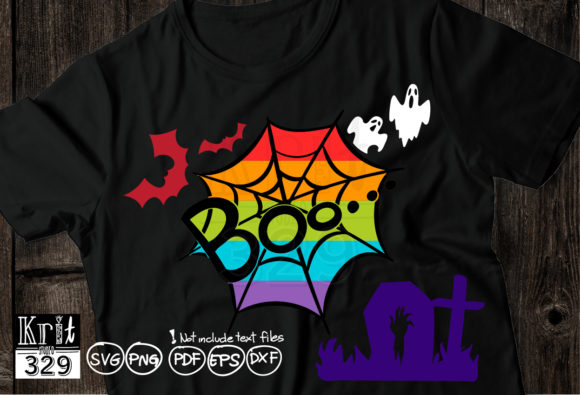
The Halloween Spider Web immediately establishes a playful yet eerie atmosphere, which is exactly what we need for autumn-themed projects. Unlike some overly intricate webs that get lost in the stitching process, this design strikes a balance between detail and clarity. The layout suggests a classic, slightly asymmetrical web shape that feels organic rather than rigidly geometric. This personality makes it versatile; it doesn't scream "scary" so much as it whispers "spooky fun," making it an excellent candidate for family-friendly party decor or whimsical apparel.
Visually, the lines appear thick enough to hold up under a standard fill stitch without becoming muddy, yet they are delicate enough to suggest fragility. For a designer, this is crucial. If the lines are too thin, you risk breakage on textured fabrics; if they are too thick, the design loses its spider-web charm. This particular graphic seems to hit the sweet spot, promising a clean finish that will look professional even on a handmade product intended for retail.
Testing the Design in Real-Life Scenarios
To truly evaluate the utility of this machine embroidery design, I mentally walked through several production scenarios. Imagine preparing a custom embroidered sweatshirt for a local craft fair. You want the design to pop against a heather grey background. In this context, the Halloween Spider Web would serve as a perfect chest pocket accent or a lower hem detail. Because the design is relatively open, it allows the texture of the sweatshirt fabric to show through, adding depth to the finished piece.
I also considered using this as a central motif for a tote bag design. Canvas is a forgiving material, and the bold lines of the web would likely stitch out beautifully with minimal puckering. For the Etsy seller looking to create a bundle of holiday items, this graphic could be the anchor for a series of matching goods—think kitchen towels, aprons, and pillow covers. The consistency of the theme across different textures creates a cohesive brand identity, which is essential for building customer trust in a small shop.
For those specializing in baby embroidery, caution is warranted, but the design is still viable. On a soft cotton onesie, the web could be stitched in a lighter, pastel purple or orange to soften the Halloween edge. However, the key here is placement. A large web might overwhelm a tiny garment, so scaling it down to fit a sleeve cuff or the corner of a bib would maintain the festive spirit without compromising comfort.
Navigating Fabric Challenges and Stitch Density
No design is universally perfect, and the Halloween Spider Web requires careful consideration regarding stitch density and fabric choice. While the graphic looks great on paper, translating it to dark fabrics can be tricky. If you plan to use this on black denim or navy velvet, you must ensure there is sufficient contrast. A white or neon green thread will make the web stand out, but you may need to adjust the underlay settings to prevent the threads from sinking into the pile of the fabric.
Textured fabrics like fleece or terry cloth present another challenge. The uneven surface can cause the fine lines of the web to wobble or skip. In these cases, using a heavy-duty stabilizer is non-negotiable. I always recommend testing the design on a scrap piece of the actual fabric before committing to a client order. This simple step can save you from a ruined finished product and potential refunds.
Furthermore, be mindful of small hoop sizes. If you are trying to fit this entire web into a 4x4 inch hoop, you might lose the finer details at the edges. It is often better to scale the design down proportionally or crop it to focus on the most intricate part of the web. Remember, a clear, smaller design is always more professional than a cramped, blurry one.
Practical Notes for the Professional Maker
Before you download the embroidery file and start your machine, take a moment to review the technical requirements. Since specific stitch counts were not provided in the initial description, you must inspect the file preview carefully. Look for areas where the satin stitch might be too dense, which can lead to thread breakage. Adjusting the pull compensation in your software can often solve these issues before you ever cut a single strand of thread.
Color selection plays a massive role in the final appeal. While traditional black and orange are safe bets, experimenting with metallic threads or variegated yarns can elevate the Halloween Spider Web from a basic craft to a premium gift. Test your thread colors on both light and dark backgrounds to see how the contrast affects visibility. A good rule of thumb is to ensure the design remains legible when viewed from three feet away.
Finally, consider the commercial implications. If you are planning to sell items featuring this design, verify the licensing terms. Many digital embroidery files come with restrictions on selling the physical goods versus selling the design itself. As a responsible creative entrepreneur, ensuring you have the right permissions protects your business and maintains your reputation within the crafting community.
Final Verdict on Product Value
The Halloween Spider Web is a solid addition to any craft business arsenal for the fall season. It offers the perfect blend of recognizability and versatility, suitable for everything from personalized gifts to commercial embroidery runs. Its ability to adapt to various materials—from sturdy canvas to soft knits—makes it a reliable asset. However, success lies in the execution. By paying attention to stabilizer choice, thread contrast, and proper scaling, you can transform this graphic into a standout feature of your handmade shop.
Whether you are creating a limited edition run of embroidered patches or customizing a batch of holiday shirts, this design has the potential to drive buyer engagement. Just remember to test, tweak, and trust your instincts as a designer. With the right preparation, the Halloween Spider Web will not only decorate your products but also enhance the overall value and professionalism of your brand.