Plants - Funny Gardening: A Designer's Review
As a designer who has spent years turning digital files into tangible, stitched products, I approach every new machine embroidery design with a mix of excitement and skepticism. The market is flooded with graphics that look great on a screen but fall apart under the needle. When I first opened the Plants - Funny Gardening file set, my goal was simple: determine if this asset could survive the transition from a digital download to a high-quality finished product for my craft business.
First Impressions: Visual Personality and Layout
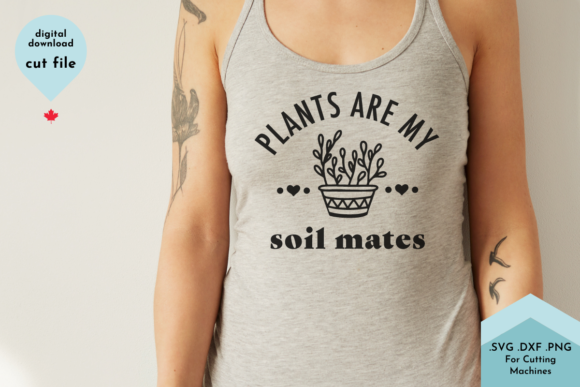
The moment you load Plants - Funny Gardening into your software, the mood is immediately clear. It leans heavily into the whimsical side of the gardening niche. This isn't a botanical illustration meant for a museum; it is a playful, character-driven graphic designed to make people smile. The layout feels balanced, avoiding the common pitfall of overcrowding the hoop while still offering enough visual interest to stand out on a garment.
For an Etsy seller or a boutique owner looking to expand their seasonal inventory, the visual personality here is a strong asset. It captures the "funny gardener" demographic perfectly—those customers who love plants but also appreciate a bit of humor in their decor. The lines are clean, which suggests that the stitch density should be manageable, though as always, a test run is non-negotiable before committing to expensive thread or fabric.
Real-World Application: From File to Fabric
To truly evaluate this embroidery file, I imagined a specific project: a custom embroidered tote bag for a local plant shop. Tote bags are a staple for small shop products, often made from sturdy canvas that can handle moderate stitch counts. In this scenario, Plants - Funny Gardening would serve as the central focal point. The design's structure allows for a nice contrast between the fill stitch areas of the leaves and the satin stitch outlines that define the humorous elements.
I also considered using this design for custom apparel, specifically a heavyweight sweatshirt. Sweatshirts are popular for holiday gifts and personalized items. The slightly textured surface of a fleece sweatshirt requires a design with defined edges, which this graphic seems to provide. If the thread colors are chosen correctly—perhaps a deep forest green against a charcoal grey background—the result could be a premium-looking item that commands a higher price point than a standard printed shirt.
However, versatility is key for a craft business. Could this work as an embroidered patch? Absolutely. The shape appears contained enough to be stabilized, cut out, and ironed onto denim jackets or backpacks. For those selling personalized gifts, this design offers a unique alternative to generic text-based designs. It tells a story without saying a word, which is exactly what makes handmade items so special.
Navigating Technical Challenges
While the design looks promising, experienced decorators know that not all fabrics play nice with every graphic. There are specific scenarios where Plants - Funny Gardening needs to be handled with care. First, consider the hoop size. While the preview might suggest it fits a small 4x4 hoop, complex details can get lost if the design is scaled down too aggressively. Always check the actual dimensions in your software before hooping.
Fabric texture is another critical factor. If you attempt this design on a highly textured linen or a stretchy knit without proper support, the running stitch details might distort. For these materials, a tear-away or cut-away stabilizer is essential to prevent puckering. Similarly, working on dark fabric requires careful planning. If the design relies on light thread colors, you may need to add a layer of underlay or use a white backing to ensure the colors pop and maintain their vibrancy after washing.
Be cautious with curved surfaces like caps. Unless the design is specifically digitized for a cap attachment, the curvature can cause registration issues, particularly in the corners of the plant shapes. For baby embroidery projects, softness is paramount. Ensure that the back of the stitching is smooth and that no loose threads remain, as infants have sensitive skin. Finally, for products that will undergo frequent washing, such as kitchen towels or aprons, verify that the stitch density isn't too heavy, which can lead to cracking or fading over time.
Strategic Advice for Designers and Makers
If you are planning to integrate Plants - Funny Gardening into your workflow, start by testing the design on scrap fabric that matches your final material. This step is crucial for adjusting tension and verifying that the Graphics translate well to thread. Check the thread color palette to ensure it complements your brand identity. A cohesive color scheme enhances brand consistency and increases customer trust.
Review the stitch count and density carefully. If the file includes dense fill areas, you may need to adjust the speed of your machine to prevent skipped stitches. Inspect the small details closely; sometimes, tiny elements that look fine on a monitor become invisible once stitched. Testing the design in black and white mockups can help you visualize how it will appear on different backgrounds before you spend money on materials.
Before launching any commercial embroidery project, confirm the licensing terms. Since this is a digital download included in a .zip file with SVG, PNG, and DXF formats, ensure you have the rights to sell finished goods. Many designers purchase files for personal use only, which can lead to legal issues if you start selling them on platforms like Etsy. Always read the license agreement provided with the digital embroidery file.
Final Verdict: Is It Worth Your Time?
In conclusion, Plants - Funny Gardening presents a solid opportunity for creators looking to add some humor and charm to their portfolio. It fits naturally into the Crafts category, appealing to hobbyists and professional decorators alike. The design's strength lies in its ability to transform ordinary items like tote bags, sweatshirts, and pillow covers into conversation-starting pieces.
However, its success depends entirely on execution. By paying attention to stabilizer choice, fabric compatibility, and thread contrast, you can ensure that the final result is professional and durable. Whether you are creating a one-off personalized gift or stocking up for your next craft fair, this design offers the potential to elevate your work. Just remember: a good design is only as good as the stitching behind it. Test thoroughly, choose your materials wisely, and let the quality of your craftsmanship speak for itself.