Funny Pteranodon Design Review for Crafters
As a designer who has spent years navigating the intersection of digital art and physical stitching, I approach every new machine embroidery design with a critical eye. It is not enough for a graphic to look good on a screen; it must translate seamlessly into thread, stabilizer, and fabric. Recently, I evaluated the Funny Pteranodon, a digital asset listed under Crafts and Graphics. While the product description highlights its utility for cutting machines like Cricut and Silhouette Cameo, my focus was on how this playful prehistoric creature performs when adapted for real-world embroidery projects.
First Impressions: Personality and Visual Weight
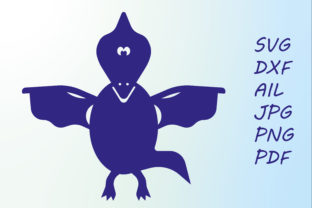
The moment you open the digital embroidery file preview, the mood is immediately established. The Funny Pteranodon is not a scientific illustration; it is a character. The design features exaggerated expressions and rounded lines that suggest movement and humor. For an Etsy seller or a small shop owner looking to add a touch of whimsy to their inventory, this personality is a significant asset. In the world of handmade products, designs that evoke a smile often convert better than generic patterns.
Visually, the layout is clean. The silhouette is bold, which is crucial for custom apparel. When I mentally map this onto a sweatshirt or a tote bag, the shape holds up well without getting lost in the weave of the fabric. However, because the source file is an SVG vector intended for cutting, the transition to an embroidery project requires careful digitization. The lines are smooth, but they lack the inherent stitch direction data found in native .PES or .DST files. This means the success of the final piece relies heavily on how the digitizer interprets the curves for fill stitch and satin stitch application.
Real-World Application: From Screen to Stitch
To truly understand the potential of the Funny Pteranodon, I visualized a specific scenario: creating a limited run of embroidered patches for a boutique gift shop. Imagine a customer walking into a store looking for a unique personalized gift for a dinosaur-loving friend. A patch featuring this dino could be sewn onto a denim jacket, a canvas backpack, or even a sturdy apron. The humor of the design makes it highly giftable, appealing to both children and adults who appreciate retro-futuristic or cartoonish aesthetics.
Consider a tote bag design using this asset. Cotton canvas is forgiving, but the size of the hoop matters. If the hoop size is too large, the tension might distort the wingspan of the pteranodon. Conversely, if the design is scaled down for a cap embroidery project, the details of the beak and eyes must remain distinct. In my experience, characters with expressive faces need a minimum stitch count to maintain clarity. If the stitch density is too low, the expression falls flat; if it is too high, the fabric may pucker, ruining the professional finish.
This design also shines in holiday embroidery contexts. Think of a Christmas stocking or a Thanksgiving table runner where a "Jurassic" twist adds a fun element to traditional decor. The versatility of the Funny Pteranodon allows it to fit into various seasonal themes without feeling out of place. For a craft business aiming to diversify their catalog, having a design that works across different categories—from nursery decor to adult novelty items—is invaluable.
Navigating Challenges: Fabric and Technique
While the concept is strong, practical execution demands caution. One of the primary concerns with adapting a cut-file vector to embroidery is managing small details. The Funny Pteranodon likely has fine lines around the claws and facial features. On textured fabrics like fleece or heavy twill, these tiny elements can get swallowed by the pile of the material. I always advise testing the design on scrap fabric first. Use a light-colored background to check the visibility of the thread colors before committing to expensive materials.
Another critical factor is the choice of stabilizer. For stretchy fabrics, such as those used in baby clothes or performance tees, a tear-away stabilizer might not provide enough support for the intricate wing shapes. A cut-away stabilizer would be safer to ensure the finished product maintains its integrity after washing. Additionally, if you plan to use this on dark fabric, the design will require a backing layer or a specific underlay strategy to make the bright colors pop. Without proper contrast, the humor of the design gets lost, diminishing its appeal.
Be particularly wary of curved surfaces. Embroidering a pteranodon on a baseball cap introduces distortion. The curve of the brim can stretch the bottom of the design, potentially warping the creature's stance. In such cases, adjusting the digitizing to account for the curvature is essential. If you are selling these as commercial embroidery items, consistency is key. Every patch or garment must look identical, which requires precise machine settings and quality control checks.
Strategic Value for Designers and Sellers
For the creative entrepreneur, the Funny Pteranodon offers more than just a cute image; it offers a brand opportunity. A cohesive line of products featuring this character can build recognition and customer loyalty. Whether you are creating printable mockups to showcase your services or producing actual stock for a holiday sale, the visual appeal drives engagement. Customers trust brands that show attention to detail. A well-executed embroidered patch signals quality, whereas a poorly stitched version can damage your reputation.
It is also vital to consider the licensing. Since the product description mentions the file includes an SVG for cutting, verify the terms regarding commercial use for embroidery. Some licenses allow personal use only, while others grant rights for small shop products or digital product sellers. Never assume; always confirm the license before listing items for sale. Using a design without proper clearance can lead to legal issues and delisting from platforms like Etsy.
Practical Checklist for Implementation
- Test Run: Always stitch a sample on scrap fabric to check for puckering or skipped stitches.
- Color Contrast: Ensure the thread colors stand out against your chosen fabric background.
- Density Check: Review the stitch density to prevent fabric distortion, especially on thin materials.
- Stabilizer Selection: Match the stabilizer type to the fabric weight and stretch level.
- Licensing Verification: Confirm you have the right to sell finished goods made with this design.
- Mockup Testing: Create black and white previews to assess the design's shape before coloring.
In conclusion, the Funny Pteranodon is a promising asset for designers willing to put in the work to adapt it correctly. Its playful nature makes it a standout candidate for personalized gifts, custom apparel, and boutique merchandise. By respecting the technical requirements of embroidery—choosing the right stabilizer, managing stitch density, and verifying licensing—you can transform this digital graphic into a high-quality, market-ready product. The difference between a mediocre craft and a professional handmade product often lies in these details. With careful planning, this prehistoric flyer can become a bestseller in your collection.